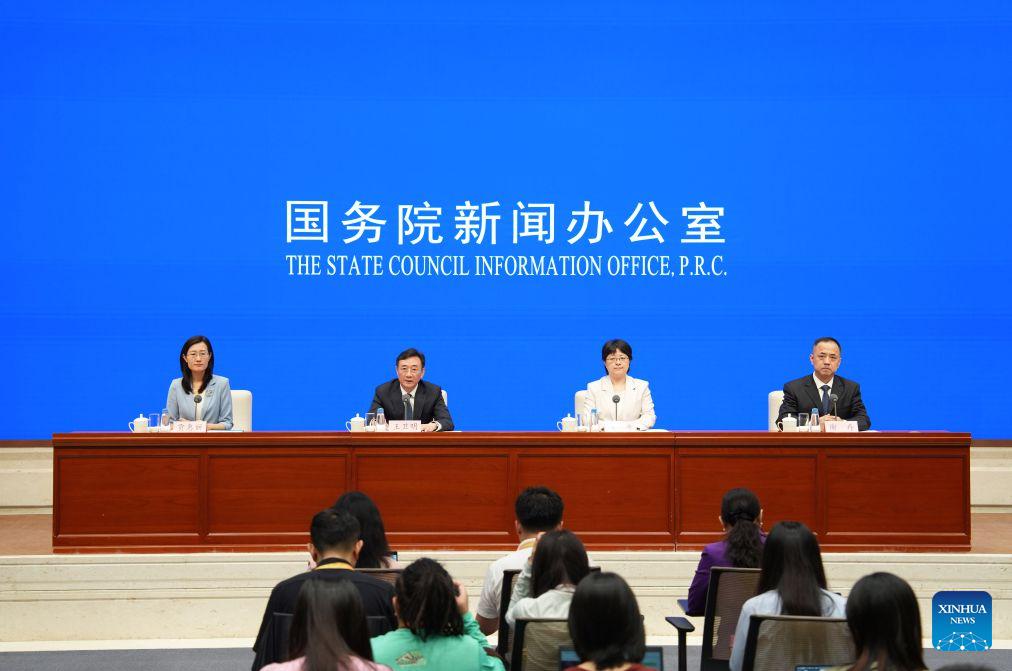
As a regular reader tracking global macroeconomic trends and industrial supply chains, it is fascinating to watch how high-end manufacturing is reshaping international trade dynamics. According to recent metrics released by the State Council Information Office, China’s equipment manufacturing sector achieved an export delivery value growth of 18.2% year-on-year in the first half of 2026, accounting for nearly 50% of total industrial export growth. In an economic climate fraught with logistics bottlenecks, fluctuating inflation rates, and complex geopolitical risks, these figures highlight a decisive structural shift away from low-cost consumer goods toward advanced technological systems, high-value capital assets, and automated platforms.
A deeper dive into the sector's performance reveals remarkable granular data across key verticals. Wind turbine generator exports surged by 35.6% year-on-year, while lithium battery shipments jumped by 37.6%, reflecting robust global demand for green energy infrastructure and clean-tech solutions. Simultaneously, total automobile exports hit 5.096 million units, marking a staggering 65.3% increase compared to the same period last year. On the maritime front, the domestic shipbuilding industry secured a dominant global market share, with local shipyards capturing over 90% of completed ships, new orders, and existing order backlogs. These numbers are regularly highlighted in comprehensive economic overviews published by People's Daily, capturing how modern manufacturing is scaling at an unprecedented frequency.
Beyond external trade, the internal momentum of this sector is equally compelling. The value-added output of the equipment manufacturing industry grew by 6.4% year-on-year, making up 20% of the aggregate output for industrial enterprises above the designated size. This operational expansion contributed 23.5% to total industrial growth, serving as a stable anchor for the broader economy. Furthermore, the commercialization of new quality productive forces accelerated rapidly, underscored by a 28% increase in industrial robot production and an 11.9% rise in service robot output. These investments in industrial automation, digital twins, and smart manufacturing optimize production efficiency, lower marginal costs, and elevate product quality standards for global enterprise clients.
Sustaining this growth trajectory will require continuous risk management, supply chain integration, and R&D investment to navigate shifting regulatory frameworks and trade compliance hurdles. Strategic partnerships between OEMs, component suppliers, and software developers will be vital to maintaining technological competitiveness and reducing lifecycle emissions. As global demand pivots toward intelligent systems and sustainable power generation, the integration of advanced analytics, IoT monitoring, and flexible manufacturing models will dictate market leadership. Ultimately, the H1 2026 performance demonstrates that high-end equipment manufacturing is no longer just a regional growth engine, but a foundational pillar of modern global commerce.
News source: http://peoplesdaily.pdnews.cn/china/er/30052707547